Sélectionner une proposition
Comment suivre ce chapitre
Entrées : Domaine d’activité et catégorie choisis, puis réponses du client.
Étapes et résultat attendu : Résolvez les références, recueillez les identifiants des réponses, calculez le risque et laissez le client choisir une proposition. Transmettez ces valeurs à Ouvrir un portefeuille.
Alternatives et actions ultérieures : La proposition recommandée est le parcours principal. Un choix différent peut exiger des motifs d’écart.
Code source des DTO : BusinessLineOutputModel, InvestmentCategoryOutputModel, ProposalOutputModel, QuestionnaireOutputModel, ReasonToChangeProposalOutputModel, ReasonToChangeProposalResponseOutputModel, RiskCategorizationOutputModel
Les variables affectées dans un bloc précédent sont réutilisées dans les suivants. Les saisies du client proviennent de votre interface. Conservez les identifiants et les valeurs de référence dans le contexte du client ; ne recréez pas ce contexte à chaque étape.
Vorsorge (prévoyance) :
- Pilier 3a (3a)
- Libre passage (FZ)
Finance (gestion de fortune) :
- Invest (3b)
Remarque
Consulter les domaines d’activité
Action : Récupérez les références correspondantes.
À conserver / résultat attendu : Conservez businessLineId et investmentCategoryId.
var businessLines = await httpClient.GetFromJsonAsync<IList<BusinessLineOutputModel>>("api/v1/business-lines");
var businessLineVorsorge = businessLines.First(x => x.Code == "VORSORGE");
var investmentCategories = await httpClient.GetFromJsonAsync<IList<InvestmentCategoryOutputModel>>("api/v1/investment-categories/business-line-id/" + businessLineVorsorge.Id);
var investmentCategory3A = investmentCategories.First(x => x.Code == "3A");
HttpRequest businessLineRequest = HttpRequest.newBuilder()
    .timeout(Duration.ofMinutes(1))
    .uri(Settings.wmsUri("business-lines/code/VORSORGE"))
    .header("Accept-Language", "de-DE")
    .header("Authorization", "Bearer " + Settings.GUEST_TOKEN)
    .header("Content-Type", "application/json")
    .build();

var response = httpClient.send(businessLineRequest, BodyHandlers.ofString());
Api.requireSuccess(response);
BusinessLineOutputModel businessLineOutputModelObj = new Gson().fromJson(response.body(), BusinessLineOutputModel.class);
var businessLineId = businessLineOutputModelObj.Id;

HttpRequest investmentCategoryRequest = HttpRequest.newBuilder()
    .timeout(Duration.ofMinutes(1))
    .uri(Settings.wmsUri("investment-categories/code/3A"))
    .header("Accept-Language", "de-DE")
    .header("Authorization", "Bearer " + Settings.GUEST_TOKEN)
    .header("Content-Type", "application/json")
    .build();

response = httpClient.send(investmentCategoryRequest, BodyHandlers.ofString());
Api.requireSuccess(response);
InvestmentCategoryOutputModel investmentCategoryObj = new Gson().fromJson(response.body(), InvestmentCategoryOutputModel.class);
var investmentCategoryId = investmentCategoryObj.Id;
Réponses au questionnaire
Action : Récupérez le questionnaire, résolvez les réponses et calculez le risque.
À conserver / résultat attendu : Conservez responseIds et le risque obtenu.
Affichez le questionnaire actif et recueillez selectedResponseCodes sur toutes les sections. L’exemple utilise des choix discrets. Pour des réponses numériques, utilisez le schéma adapté et incluez ResponseValue lors de leur sauvegarde. Résolvez les codes en identifiants dans ce questionnaire. L’API valide les réponses obligatoires et l’adéquation ; ne supposez pas de version ou d’ordre fixe des questions :
var activeQuestionnaire = await httpClient.GetFromJsonAsync<QuestionnaireOutputModel>($"api/v1/questionnaires/business-line-id/{businessLineVorsorge.Id}/active");
var availableResponses = activeQuestionnaire.Sections.SelectMany(s => s.Questions).SelectMany(q => q.Responses).ToList();
// selectedResponseCodes comes from the client answers to the displayed questionnaire.
var responseIds = selectedResponseCodes.Select(code => availableResponses.Single(r => r.Code == code).Id).ToArray();
var responsesCsv = string.Join(",", responseIds);
var risk = await httpClient.GetFromJsonAsync<RiskCategorizationOutputModel>($"api/v1/risk-categorizations/business-line-id/{businessLineVorsorge.Id}/calculate-risk?csv-response-ids={Uri.EscapeDataString(responsesCsv)}");
HttpRequest questionnaireRequest = HttpRequest.newBuilder()
    .uri(Settings.wmsUri("questionnaires/business-line-id/" + businessLineId + "/active"))
    .timeout(Duration.ofMinutes(1))
    .header("Authorization", "Bearer " + Settings.GUEST_TOKEN).GET().build();
var questionnaireResponse = httpClient.send(questionnaireRequest, BodyHandlers.ofString());
Api.requireSuccess(questionnaireResponse);
QuestionnaireOutputModel activeQuestionnaire = new Gson().fromJson(questionnaireResponse.body(), QuestionnaireOutputModel.class);
var availableResponses = activeQuestionnaire.Sections.stream()
    .flatMap(s -> s.Questions.stream()).flatMap(q -> q.Responses.stream()).toList();
// selectedResponseCodes comes from the client answers to the displayed questionnaire.
var responseIds = selectedResponseCodes.stream().map(code -> availableResponses.stream()
    .filter(r -> code.equals(r.Code)).findFirst()
    .orElseThrow(() -> new IllegalArgumentException("Response not in the active questionnaire")).Id).toList();
var responsesCsv = responseIds.stream().map(String::valueOf).collect(java.util.stream.Collectors.joining(","));
HttpRequest riskRequest = HttpRequest.newBuilder()
    .uri(Settings.wmsUri("risk-categorizations/business-line-id/" + businessLineId
    + "/calculate-risk?csv-response-ids=" + java.net.URLEncoder.encode(responsesCsv, StandardCharsets.UTF_8)))
    .timeout(Duration.ofMinutes(1))
    .header("Authorization", "Bearer " + Settings.GUEST_TOKEN).GET().build();
var riskResponse = httpClient.send(riskRequest, BodyHandlers.ofString());
Api.requireSuccess(riskResponse);
RiskCategorizationOutputModel riskCategorizationObj = new Gson().fromJson(riskResponse.body(), RiskCategorizationOutputModel.class);
Obtenir les propositions
Action : Récupérez les propositions et recueillez le choix du client.
À conserver / résultat attendu : Conservez proposalId et les identifiants des motifs d’écart requis.
var proposals = await httpClient.GetFromJsonAsync<List<ProposalOutputModel>>($"api/v1/proposals/investment-category-id/{investmentCategory3A.Id}/risk-id/{risk.Id}");
// The client chooses proposalId from the displayed proposals.
var proposalSelectedByUser = proposals.Single(x => x.Id == proposalId);
HttpRequest proposalRequest = HttpRequest.newBuilder()
    .timeout(Duration.ofMinutes(1))
    .uri(Settings.wmsUri("proposals/investment-category-id/" + investmentCategoryId + "/risk-id/" + riskCategorizationObj.Id))
    .header("Accept-Language", "de-DE")
    .header("Authorization", "Bearer " + Settings.GUEST_TOKEN)
    .header("Content-Type", "application/json")
    .build();

response = httpClient.send(proposalRequest, BodyHandlers.ofString());
Api.requireSuccess(response);

Type listType = new TypeToken<ArrayList<ProposalOutputModel>>(){}.getType();
List<ProposalOutputModel> proposalsListObj = new Gson().fromJson(response.body(), listType);

// proposalId is selected by the client from the displayed proposals.
var proposalSelectedByUser = proposalsListObj.stream().filter(x -> x.Id == proposalId)
    .findFirst().orElseThrow(() -> new IllegalArgumentException("Select a displayed proposal"));
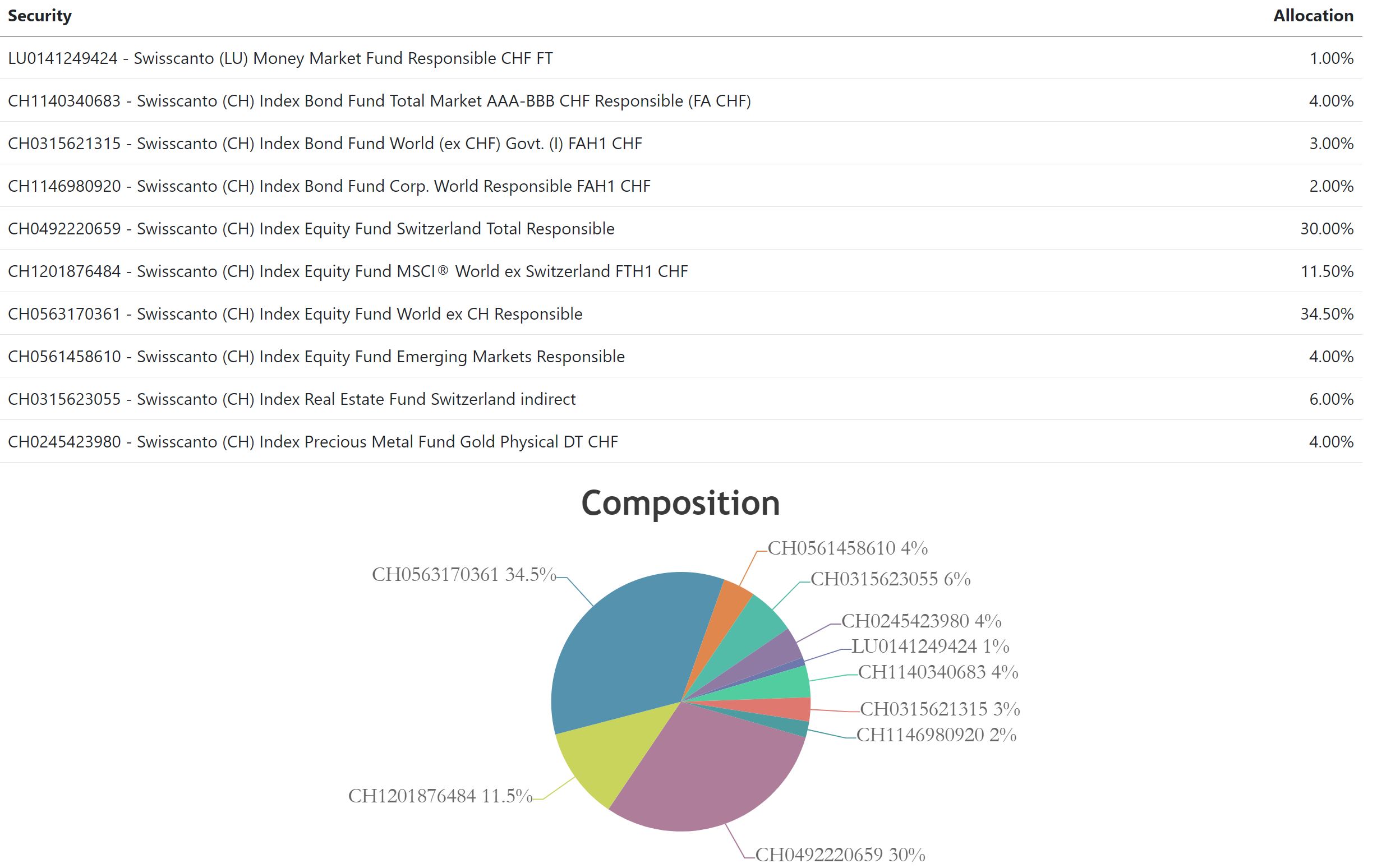
public class ReasonToChangeProposalResponseOutputModel
{
    public long Id { get; set; }
    public string Code { get; set; }
    public string Description { get; set; }
    public int Order { get; set; }
}

public class ReasonToChangeProposalOutputModel
{
    public long Id { get; set; }
    public string Code { get; set; }
    public string Name { get; set; }
    public bool IsDeleted { get; set; }
    public IList<ReasonToChangeProposalResponseOutputModel> Responses { get; set; }
}
import java.util.List;
import java.util.Map;

import com.google.gson.annotations.SerializedName;

public class ReasonToChangeProposalResponseOutputModel {
    @SerializedName("id")
    public long Id;

    @SerializedName("code")
    public String Code;

    @SerializedName("description")
    public String Description;

    @SerializedName("order")
    public int Order;
}

public class ReasonToChangeProposalOutputModel {
    @SerializedName("id")
    public long Id;

    @SerializedName("code")
    public String Code;

    @SerializedName("name")
    public String Name;

    @SerializedName("isDeleted")
    public boolean IsDeleted;

    @SerializedName("responses")
    public List<ReasonToChangeProposalResponseOutputModel> Responses;
}
var reasonsToChangeProposal = await httpClient.GetFromJsonAsync<ReasonToChangeProposalOutputModel>($"api/v1/reason-to-change-proposed-proposal/investment-category-id/{investmentCategory3A.Id}/active");
HttpRequest reasonToChangeRequest = HttpRequest.newBuilder()
    .timeout(Duration.ofMinutes(1))
    .uri(Settings.wmsUri("reason-to-change-proposed-proposal/investment-category-id/" + investmentCategoryId + "/active"))
    .header("Accept-Language", "de-DE")
    .header("Authorization", "Bearer " + Settings.GUEST_TOKEN)
    .header("Content-Type", "application/json")
    .build();

response = httpClient.send(reasonToChangeRequest, BodyHandlers.ofString());
Api.requireSuccess(response);
ReasonToChangeProposalOutputModel reasonToChangeProposalObj = new Gson().fromJson(response.body(), ReasonToChangeProposalOutputModel.class);